
Can a piece of software really create realistic nude images from a clothed photo?
This question has sparked intense debate and raised significant concerns about digital ethics, consent, and privacy. The emergence of deepfake technology has made it possible to generate highly realistic images, challenging our perceptions of what’s real and what’s not.
The technology behind AI-generated content is rapidly evolving, and its implications are far-reaching. As we explore the world of synthetic media, it’s crucial to understand the potential risks and consequences of such technology on individuals and society as a whole.
Key Takeaways
- The rise of deepfake technology has significant implications for digital ethics and privacy.
- AI-generated nude images can have serious consequences for individuals.
- Understanding the technology behind AI-generated content is crucial.
- The potential risks of deepfake technology are far-reaching.
- It’s essential to be aware of the potential consequences of synthetic media.
The Evolution of AI Image Manipulation
The evolution of image manipulation has been marked by a shift from manual editing to AI-driven processes. Traditionally, image editing software like Photoshop required manual input for every alteration, limiting the complexity and scale of edits. However, with the advent of AI image manipulation, the process has become more automated and sophisticated.
The transition to AI-driven methods has been largely driven by advancements in neural networks. These networks enable machines to learn from vast datasets, improving their ability to generate and manipulate images. The result is a significant enhancement in the quality and realism of edited images.
From Photoshop to Neural Networks
The journey from traditional image editing to AI-powered manipulation began with the development of more complex algorithms. Early image editing software relied on manual techniques, whereas modern AI systems use neural networks to automate and refine the editing process.
| Feature | Traditional Editing | AI-Powered Editing |
|---|---|---|
| Editing Process | Manual input for every edit | Automated using neural networks |
| Complexity | Limited by user skill and time | Can handle complex, large-scale edits |
| Realism | Dependent on user expertise | High realism through learned patterns |
The Emergence of Synthetic Media Generation
The latest development in AI image manipulation is synthetic media generation. This technology allows for the creation of entirely new images or videos that are often indistinguishable from reality. The emergence of synthetic media generation has raised important questions about authenticity and trust in digital media.
As AI continues to evolve, understanding its role in image manipulation is crucial. The technology has the potential to revolutionize various industries, from entertainment to advertising. However, it also poses significant challenges that need to be addressed.
What Is Deep-Nude AI and How It Works
At its core, Deep-Nude AI utilizes Generative Adversarial Networks (GANs) to produce synthetic nudes that are often indistinguishable from real images. This technology has sparked significant controversy due to its potential for misuse.
Technical Foundations: Generative Adversarial Networks
GANs are a type of deep learning algorithm that consists of two neural networks: a generator that creates synthetic images and a discriminator that evaluates their realism. The generator learns to produce more realistic images based on the discriminator’s feedback.
Training Data Requirements
The effectiveness of Deep-Nude AI depends on the quality and quantity of its training data. Large datasets of images are required to train the GANs to generate realistic nudes. The data must be diverse and representative to ensure the generated images are convincing.
Image Processing Algorithms
Image processing algorithms play a crucial role in refining the generated images. These algorithms enhance the realism of the synthetic nudes by adjusting factors such as lighting, texture, and context.
The “Undressing” Process Explained
The “undressing” process involves the GANs analyzing a clothed image and generating a nude version. This is achieved by manipulating the image’s features based on the patterns learned from the training data. The result is a synthetic nude image that corresponds to the original clothed photo.
The Current Landscape of Deep-Nude AI Applications
The landscape of Deep-Nude AI applications is rapidly evolving, with significant developments in both open-source and commercial tools. This evolution has led to increased accessibility and proliferation across various platforms.
Open-Source vs. Commercial Tools
Deep-Nude AI applications are available through both open-source and commercial channels. Open-source tools offer flexibility and customization, appealing to developers and researchers. In contrast, commercial tools provide user-friendly interfaces and dedicated support, making them more accessible to a broader audience.
Accessibility and Proliferation
The ease of access to Deep-Nude AI tools has contributed to their widespread adoption. These tools are now integrated into various platforms, including:
- Mobile apps that offer on-the-go access
- Websites that provide online services
- Social media platforms that facilitate sharing and dissemination
Mobile Apps and Websites
Mobile apps and websites have made Deep-Nude AI applications more accessible than ever. Users can now create and share content using their smartphones or computers.
Social Media Integration
Social media platforms play a crucial role in the dissemination of Deep-Nude AI-generated content. The integration of these tools with social media enables rapid sharing and amplification of generated images.
Ethical Concerns Surrounding Synthetic Nudity
Synthetic nudity raises significant ethical concerns, particularly regarding issues of consent and digital autonomy. The creation and dissemination of synthetic nude images without consent challenge our understanding of personal rights in the digital age.
Consent and Digital Autonomy
The production of synthetic nudes without an individual’s consent infringes upon their digital autonomy. It is essential to consider the implications of such actions on personal privacy and the potential for harm.
Objectification and Dehumanization
Synthetic nudity can lead to the objectification and dehumanization of individuals, reducing them to mere images without regard for their dignity or rights. This phenomenon can have profound effects on both the individuals targeted and society as a whole.
Impact on Trust in Visual Media
The proliferation of synthetic nude images contributes to the erosion of trust in visual media. As it becomes increasingly difficult to distinguish between real and fabricated content, the very fabric of our trust in media is undermined.

| Ethical Concern | Description | Impact |
|---|---|---|
| Consent | Creation of synthetic nudes without consent | Infringement on digital autonomy |
| Objectification | Reducing individuals to mere images | Dehumanization and loss of dignity |
| Trust in Media | Erosion of trust due to fabricated content | Undermining the credibility of visual media |
The Real-World Dangers of Deep-Nude AI
The misuse of Deep-Nude AI has severe real-world consequences that affect individuals’ privacy and safety. The technology’s ability to create convincing, manipulated images has opened up new avenues for exploitation.
Non-Consensual Pornography Creation
One of the most significant dangers of Deep-Nude AI is its use in creating non-consensual pornography. This involves generating nude images of individuals without their consent, often using publicly available photos. The impact on victims can be devastating, leading to emotional distress and reputational damage.
Blackmail and Extortion Risks
Deep-Nude AI-generated images can also be used for blackmail and extortion. Perpetrators may threaten to release these images unless their demands are met, causing significant psychological trauma for the victims. The fear of being blackmailed can lead to anxiety and a loss of control over one’s digital presence.
Psychological Trauma for Victims
The psychological impact on victims of Deep-Nude AI misuse cannot be overstated. The creation and distribution of non-consensual nude images can lead to long-term mental health issues, including depression and anxiety.
Long-term Mental Health Impacts
Victims may experience prolonged periods of emotional distress, affecting their overall well-being and quality of life. The constant fear of being exposed or victimized again can lead to chronic stress.
Social and Professional Consequences
Beyond mental health impacts, victims may also face social and professional consequences. The stigma associated with being a victim of non-consensual pornography can lead to social isolation and professional setbacks.
The dangers posed by Deep-Nude AI are multifaceted, requiring a comprehensive approach to mitigate its risks. Understanding these risks is crucial for developing effective strategies to protect individuals and communities from its misuse.
Vulnerable Populations and Disproportionate Impacts
The impact of DeepNude AI is not uniform, with specific demographics bearing the brunt of its misuse. Research indicates that certain populations, such as women and minors, are disproportionately affected by DeepNude AI misuse.
Gender-Based Targeting Patterns
Studies have shown that women are more likely to be targeted by DeepNude AI misuse, often with severe consequences. This gender-based targeting can lead to a range of negative outcomes, including emotional distress and reputational damage.
- Women are disproportionately represented among victims of non-consensual pornography.
- Gender-based targeting can exacerbate existing social inequalities.
Age Demographics of Victims
The age demographics of DeepNude AI victims vary, but minors are particularly vulnerable. The use of DeepNude AI on young people can have long-lasting effects on their mental health and well-being.
“The creation and distribution of non-consensual explicit content can have devastating effects on individuals, particularly young women.”
Public Figures vs. Private Citizens
Both public figures and private citizens are affected by DeepNude AI misuse, but in different ways. Public figures may face increased scrutiny and media attention, while private citizens may experience more personal and intimate harm.
The distinction between public figures and private citizens is crucial in understanding the impact of DeepNude AI. While public figures may have more resources to cope with the consequences, private citizens may be more vulnerable to the emotional and psychological effects.
Legal Framework Addressing Deep-Nude AI
As governments worldwide grapple with the implications of Deep-Nude AI, a complex legal landscape is emerging to address its challenges. The need for comprehensive legislation is becoming increasingly pressing as the technology continues to evolve.
U.S. Federal and State Laws
In the United States, both federal and state governments are taking steps to regulate Deep-Nude AI. Key areas of focus include revenge porn legislation and digital privacy protections.
Revenge Porn Legislation
Several states have enacted laws specifically targeting revenge porn, which is a significant concern in the context of Deep-Nude AI. For instance, California has implemented strict penalties for the creation and distribution of non-consensual explicit content.
Digital Privacy Protections
Digital privacy laws are also being strengthened to protect individuals from the misuse of their images. The impact of Deep-Nude AI on digital is a growing concern, with many advocating for stricter regulations.
International Legal Approaches
Internationally, countries are adopting varied approaches to regulating Deep-Nude AI. Some nations are focusing on existing laws related to privacy and defamation, while others are crafting new legislation tailored to AI-generated content.
Enforcement Challenges
Despite these efforts, enforcing laws related to Deep-Nude AI poses significant challenges. The rapidly evolving nature of AI technology means that legislation must be highly adaptable to remain effective.
| Jurisdiction | Key Legislation | Focus Area |
|---|---|---|
| United States | Revenge Porn Laws | Non-consensual explicit content |
| European Union | GDPR | Digital privacy protections |
| Australia | Enhancing Online Safety Act | Regulation of online content |
The legal landscape surrounding Deep-Nude AI is complex and multifaceted. As technology continues to advance, it is likely that legal frameworks will need to evolve in response.
How to Identify AI-Generated Nude Images
As AI-generated nude images become more sophisticated, the need for effective methods to identify them has become more pressing. The ability to distinguish between real and synthetic content is crucial in maintaining trust and integrity in digital media.
Common Visual Artifacts and Inconsistencies
One of the primary ways to identify AI-generated nude images is by looking for common visual artifacts and inconsistencies. These can include unusual lighting, inconsistent shading, or anomalies in the background. AI algorithms may struggle to perfectly replicate the nuances of human anatomy and the surrounding environment, often resulting in telltale signs that can be detected upon closer inspection.
Digital Forensics Tools
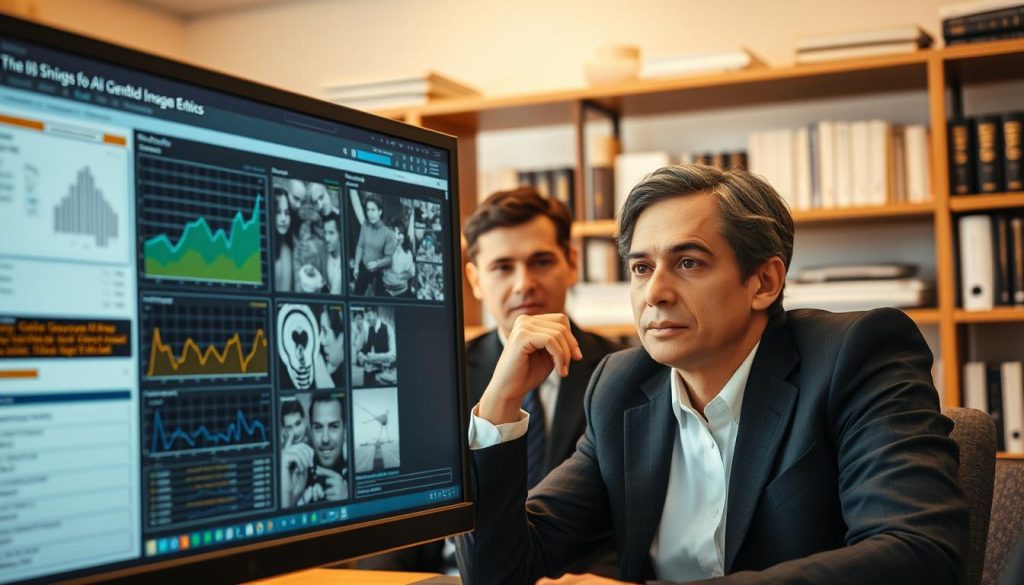
Digital forensics tools play a significant role in identifying AI-generated content. These tools analyze the image’s metadata, compression patterns, and other digital fingerprints to determine its authenticity. By leveraging advanced algorithms, digital forensics can help uncover the subtle traces left behind by AI image generation software.
Authentication Technologies
Authentication technologies are also being developed to verify the authenticity of images. These technologies can involve watermarking or other methods to ensure that an image has not been tampered with or generated synthetically. As these technologies evolve, they will become increasingly important in the fight against AI-generated nude images.
By combining these approaches—examining visual artifacts, utilizing digital forensics tools, and implementing authentication technologies—we can more effectively identify and combat AI-generated nude images.
Protecting Yourself from Deep-Nude AI Exploitation
Protecting yourself from the potential misuse of deep-nude AI requires a comprehensive approach to digital security. As this technology continues to evolve, individuals must be proactive in safeguarding their online presence.
Managing Your Digital Image Footprint
One of the key steps in protecting yourself is to manage your digital image footprint effectively. This involves being mindful of the images you share online and taking control of your privacy settings.
Social Media Privacy Settings
Review and adjust your social media privacy settings to limit who can see your posts and images. Most platforms offer options to restrict access to your content, so take advantage of these features.
Image Metadata Management
Be aware of the metadata associated with the images you share. Remove any identifiable information such as GPS location data to prevent unintended disclosure of personal details.
Proactive Protection Strategies
Beyond managing your digital footprint, there are several proactive strategies you can employ to protect yourself from deep-nude AI exploitation.
Watermarking and Digital Signatures
Consider using watermarking or digital signatures on your images. These techniques can help identify the source of leaked or manipulated images, deterring potential misuse.
- Watermarking involves embedding a visible or invisible identifier into your images.
- Digital signatures can verify the authenticity of an image, making it harder to manipulate without detection.
Image Monitoring Services
Utilize image monitoring services that track where your images are used online. These services can alert you to potential misuse, allowing you to take swift action.
By combining these strategies, you can significantly reduce the risk of being targeted by deep-nude AI exploitation. Stay informed and vigilant to protect your digital identity.
What to Do If You’ve Been Targeted
Understanding the immediate response protocol is vital for Deep-Nude AI victims. When faced with such a violation, it’s essential to act quickly and decisively to minimize potential damage.
Immediate Response Protocol
The first step in responding to Deep-Nude AI misuse is to document all evidence. This includes saving links, images, and any communication related to the incident.
Documentation Steps
- Save all relevant URLs and screenshots.
- Record dates and times of incidents.
- Keep a log of any correspondence.
Reporting to Platforms
Report the incident to the platforms where the content is hosted. Most social media and image-sharing sites have policies against non-consensual imagery and will remove such content upon request.
Legal Recourse Options
Victims of Deep-Nude AI may have legal options available. Consulting with a lawyer who specializes in digital privacy or cybercrime can provide clarity on potential legal actions.
“The law is still catching up with technology, but there are existing laws that can be used to protect victims of Deep-Nude AI.” –
Support Resources and Recovery
Recovery from Deep-Nude AI exploitation often requires support. There are organizations that provide counseling and resources for victims of online harassment and digital abuse.
Seeking help is a sign of strength. Victims should not hesitate to reach out to trusted friends, family, or professional counselors for support.
The Tech Industry’s Response to Synthetic Media Abuse
As synthetic media continues to evolve, the tech industry is responding with a multi-faceted approach. This response includes several key strategies aimed at mitigating the risks associated with synthetic media.
Platform Policies and Content Moderation
Major tech platforms are revising their policies to better address synthetic media abuse. This includes implementing more sophisticated content moderation practices to detect and remove harmful content.
Detection Technology Development
The development of detection technologies is crucial in the fight against synthetic media abuse. Companies are investing in AI-powered tools that can identify manipulated media, helping to stay ahead of malicious actors.
Ethical AI Development Initiatives
There’s a growing emphasis on ethical AI development within the tech industry. Initiatives focus on creating AI systems that are transparent, accountable, and designed with safeguards against misuse.
The tech industry’s response to synthetic media abuse is ongoing and evolving. By combining robust platform policies, advanced detection technologies, and ethical AI development, the industry aims to mitigate the risks associated with synthetic media.
Conclusion: Navigating the Future of Synthetic Media
As synthetic media continues to evolve, it’s crucial to navigate the challenges it poses, balancing innovation with ethical considerations and protective measures. The emergence of technologies like DeepNude AI has raised significant concerns regarding consent, digital autonomy, and the potential for misuse.
Navigating the future of synthetic media requires ongoing dialogue and action to address these challenges. This involves developing and implementing effective laws and regulations, improving detection technologies, and promoting responsible AI development practices. By working together, we can mitigate the risks associated with synthetic media and ensure its benefits are realized.
The synthetic media future holds much promise, but it also demands careful consideration of the potential consequences. By prioritizing ethics, transparency, and accountability, we can harness the power of synthetic media while minimizing its risks. As we move forward, it’s essential to stay informed and engaged in the conversation around navigating challenges in this rapidly evolving landscape.